


3111 South Lamar Blvd.,
Austin TX 78704

Updating Your Health History Before Your Next Eye Exam in Austin
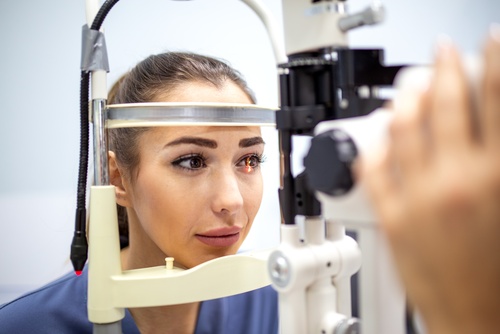
Updating Your Health History Before Your Next Eye Exam in Austin
Preparing for an eye exam involves more than bringing your glasses. Changes in your overall health, medications, and family history can help us understand your eye health more fully. At EyeRis Vision in Austin, we encourage you to review these details before your appointment, even if your vision seems unchanged.
An updated health history helps our eye doctor identify potential risks, evaluate symptoms, and recommend care based on your current needs.
Why Your Health History Matters
Your eyes are part of your overall health. Conditions such as diabetes, high blood pressure, and certain autoimmune disorders can affect the eyes. Some changes may develop before you notice a difference in your vision.
Let us know about new diagnoses, recent procedures, or changes in an existing condition. Even information that seems unrelated to your eyes may help us decide which areas need closer attention during your comprehensive eye exam.
What to Update Before Your Appointment
Taking a few minutes to prepare a written list can make your visit easier. Before your next eye exam in Austin, review:
Medical conditions: New diagnoses, changes in ongoing conditions, and recent hospitalizations or surgeries.
Medications and supplements: Prescription medicines, over-the-counter products, vitamins, and eye drops, including names and doses when available.
Allergies and reactions: Medication allergies or problems you have experienced with eye drops or other treatments.
Family eye health: Relatives diagnosed with glaucoma, macular degeneration, or other inherited eye conditions.
Vision and comfort changes: Blurry vision, dryness, headaches during visual tasks, or difficulty seeing at night.
Previous eye care: Eye injuries, surgeries, specialist visits, and treatments received since your last appointment.
Include Medicines That Are Not for Your Eyes
A medication does not have to be an eye drop to matter during your exam. Some medicines can affect tear production, focusing, or eye pressure. Others may require specific monitoring for possible effects on the retina.
Bring an updated medication list or clear photos of the labels. Tell us when you started a new medicine and whether symptoms appeared around the same time. Continue taking prescribed medicines as directed unless your prescribing clinician advises otherwise.
Share Details About Symptoms and Daily Activities
Specific examples help us understand what you are experiencing. Instead of saying your vision feels different, tell us whether reading your phone is harder, your eyes become uncomfortable after computer work, or road signs look blurry.
Note when symptoms started, whether one or both eyes are affected, and how often the problem occurs. Changes in screen time, work responsibilities, or contact lens use are also helpful to discuss.
How We Use Your Updated Information
We consider your health history alongside your symptoms and exam findings. This information helps guide decisions about additional testing, dilation when appropriate, follow-up visits, or coordination with your other healthcare providers.
You do not need to know which details are medically significant before sharing them. Our team can help clarify what matters for your eye care.
Schedule your next eye exam with EyeRis Vision in Austin, TX, by calling (512) 222-5636. Bring your updated health history so we can tailor your visit to your current vision and eye health needs.
MAP


- Monday 8:00 AM - 5:00 PM
- Tuesday 9:00 AM - 5:00 PM
- Wednesday 8:00 AM - 5:00 PM
- Thursday 9:00 AM - 5:00 PM
- Friday 9:00 AM - 5:00 PM
- Saturday 9:00 AM - 1:00 PM (opens every 2nd Saturday of the month)
- Sunday Closed
Closes for lunch from 12:00 PM to 1:00 PM on weekdays.
Powered by: 