


3111 South Lamar Blvd.,
Austin TX 78704

Soft vs. Rigid Gas Permeable Contacts: Which Is Right For You?
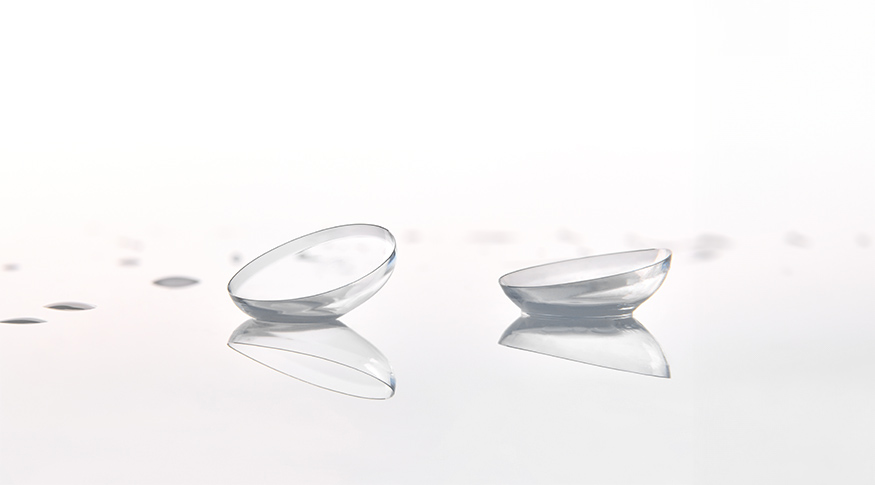
Soft vs. Rigid Gas Permeable Contacts: Which Is Right For You?
Choosing the right contact lenses can make a big difference in how clearly and comfortably you see each day. Two common options are soft contact lenses and rigid gas permeable contacts, often called RGP lenses. While both can correct vision, they feel different on the eye and may be recommended for different needs.
At EyeRis Vision in Austin, contact lens exams help determine which lens type fits your prescription, eye health, lifestyle, and comfort goals.
What Are Soft Contact Lenses?
Soft contact lenses are made from flexible materials that conform to the shape of the eye. Many patients choose them because they are comfortable, easy to adapt to, and available in daily, bi-weekly, or monthly options.
Soft contacts are often a good fit for people with nearsightedness, farsightedness, astigmatism, or presbyopia. They are also convenient for active lifestyles because they tend to stay in place well during everyday movement, exercise, and sports.
When Soft Contacts May Be the Better Choice
Soft contacts may be right for you if you want a lens that is easy to wear and simple to adapt to. They are often preferred by first-time contact lens wearers, patients with active routines, or people who want the convenience of daily disposable lenses. Soft lenses can also be a great option for patients who only wear contacts part time, such as for work, workouts, travel, or special events.
What Are Rigid Gas Permeable Contacts?
Rigid gas permeable contacts are firmer lenses that hold their shape on the eye. Unlike older hard lenses, RGP contacts allow oxygen to pass through to the cornea, which supports eye health and long-term wear.
Because they maintain a smooth optical surface, RGP lenses can sometimes provide sharper vision than soft lenses, especially for people with more complex corneal shapes or higher visual demands. They may be recommended for conditions such as keratoconus, irregular astigmatism, or vision changes after certain eye surgeries.
When to Consider RGP Contacts
RGP contacts may be recommended if soft lenses do not give you the clarity or stability you need. Patients with keratoconus, high astigmatism, post-surgical corneal changes, or certain specialty contact lens needs may benefit from RGP lenses. Although the adjustment period can be longer, many patients find that RGP lenses provide crisp, reliable vision once they are properly fitted.
Key Differences Between Soft and RGP Contacts
Both soft and rigid gas permeable contacts can be effective, but they offer different benefits. The right choice depends on your eyes, your prescription, and how you plan to wear them.
Key differences include:
• Comfort: Soft lenses usually feel comfortable sooner, while RGP lenses may take more time to adjust to.
• Vision clarity: RGP lenses may provide sharper vision for some prescriptions or irregular corneas.
• Durability: RGP lenses are more durable and may last longer with proper care.
• Care routine: Both require proper cleaning, but RGP lenses often have a different care process.
• Fit needs: RGP lenses require a very precise fit to work comfortably and effectively.
Find Your Best Fit with EyeRis Vision
The best contact lens option is not always obvious without a professional fitting. During a contact lens exam, our optometrist evaluates your prescription, corneal shape, tear film, and overall eye health. Trial lenses may also be used to check comfort, movement, and clarity before finalizing your prescription.
If you are comparing soft contacts and rigid gas permeable contacts, EyeRis Vision can help you find the right fit for your vision and comfort. Visit our Austin, Texas office or call (512) 222-5636 to schedule a contact lens exam today.
MAP


- Monday 8:00 AM - 5:00 PM
- Tuesday 9:00 AM - 5:00 PM
- Wednesday 8:00 AM - 5:00 PM
- Thursday 9:00 AM - 5:00 PM
- Friday 9:00 AM - 5:00 PM
- Saturday 9:00 AM - 1:00 PM (opens every 2nd Saturday of the month)
- Sunday Closed
Closes for lunch from 12:00 PM to 1:00 PM on weekdays.
Powered by: 